
Venetian plastering,
explained properly.
What it is, what it is made of, where it belongs, and how to tell a good one from a bad one. The whole thing, before you spend anything.
Slaked lime, crushed marble, pigment, and pressure.
That is the entire recipe, and it has not meaningfully changed in five hundred years. Lime putty and marble dust are laid on in coats thin enough to see through, each one worked in a different direction. As the trowel compresses the surface, the marble particles align and the wall begins to shine — not from a varnish, but from the stone itself.
Because the depth is built out of many translucent layers, light travels into the surface before it comes back out. That is the effect people recognise and cannot name. It is also the reason a photograph never quite does it, and the reason we insist on a physical sample.
Eight characters. One craft.
Eight families, over a hundred finishes within them — every one laid by hand, on site, by the same hands that quoted it. Run your eye down the list.
Explore
II.
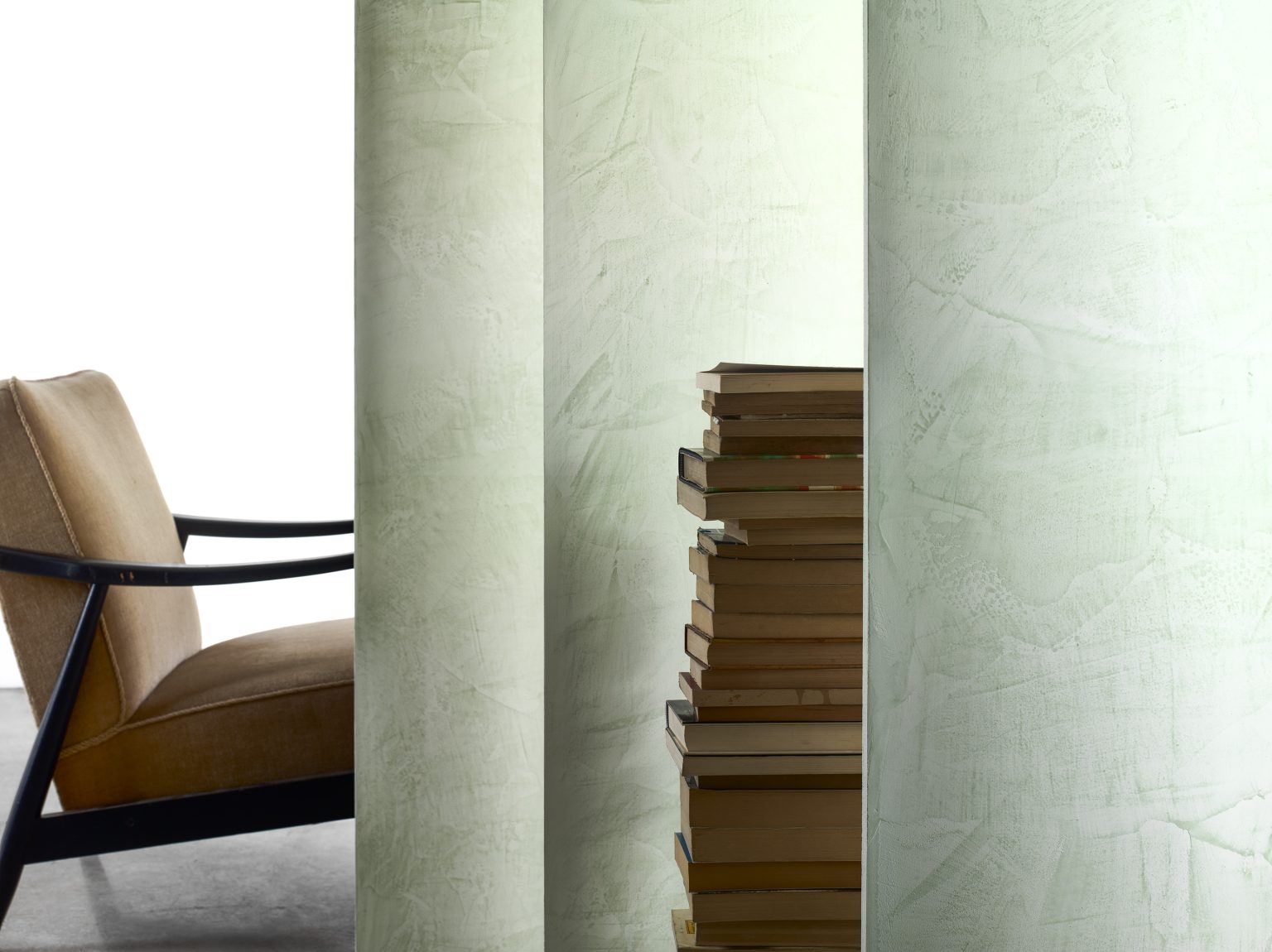
MarmorinoLime and crushed marble in fine coats. Matte, quiet, and hard enough to live with.
 Explore
III.
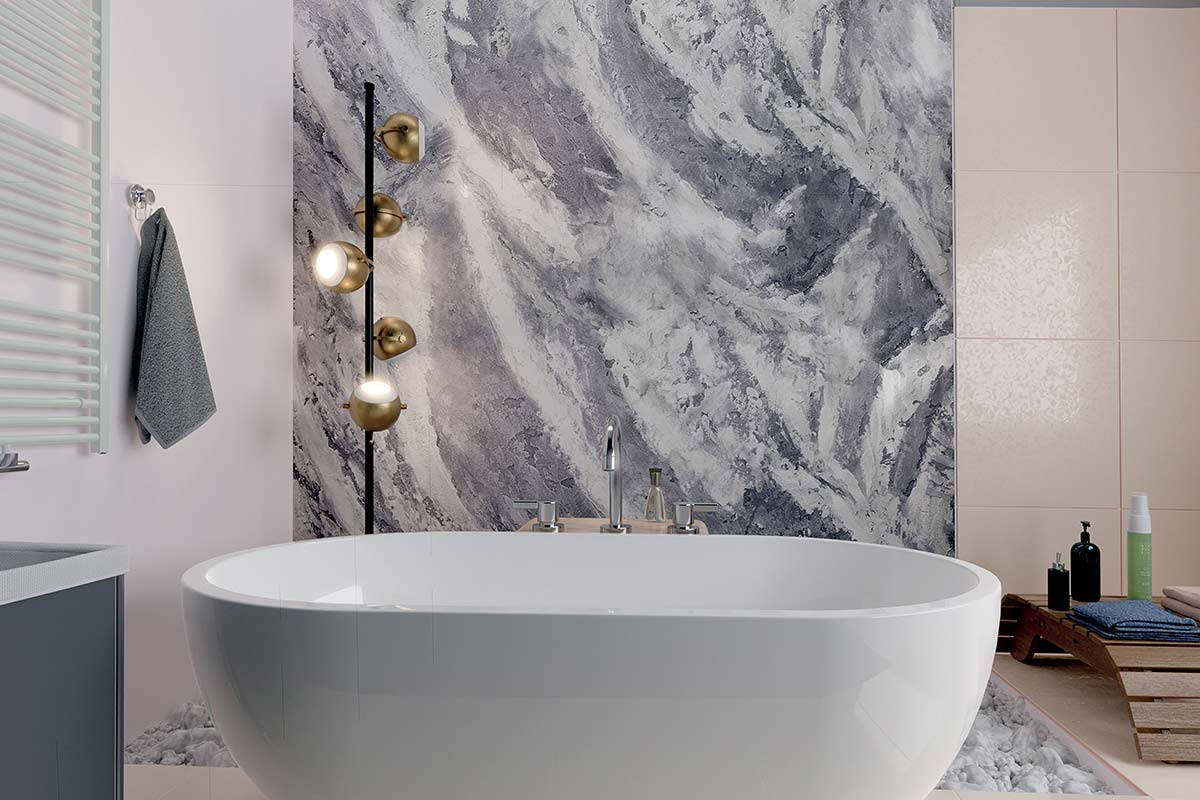
Metallic & DamascatoFine metal pigment worked in, so the surface changes as you move past it.
Explore
III.
Metallic & DamascatoFine metal pigment worked in, so the surface changes as you move past it.
 Explore
IV.
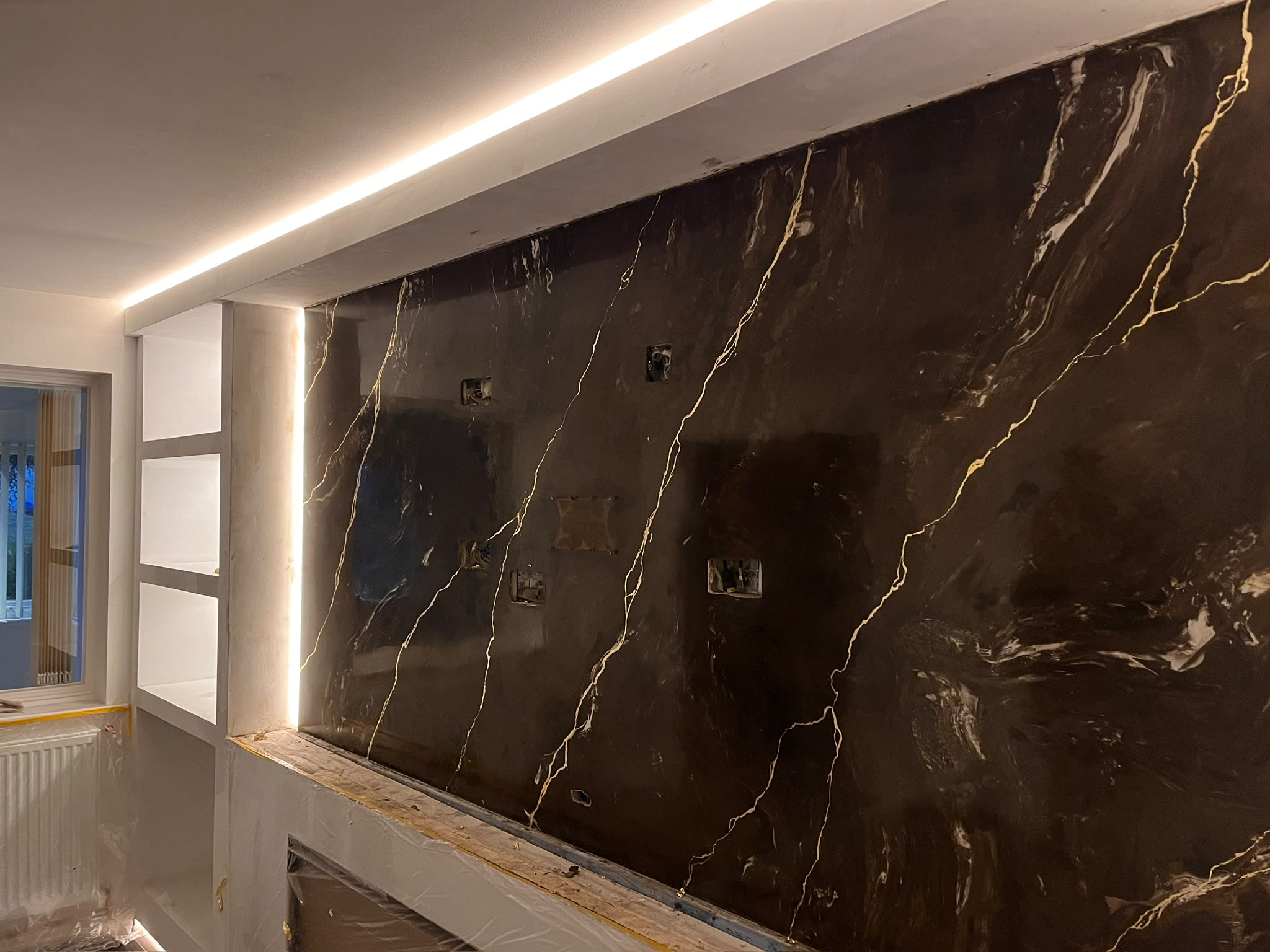
Marble EffectVeining drawn in by hand until the wall reads as a single cut slab.
Explore
IV.
Marble EffectVeining drawn in by hand until the wall reads as a single cut slab.
 Explore
V.
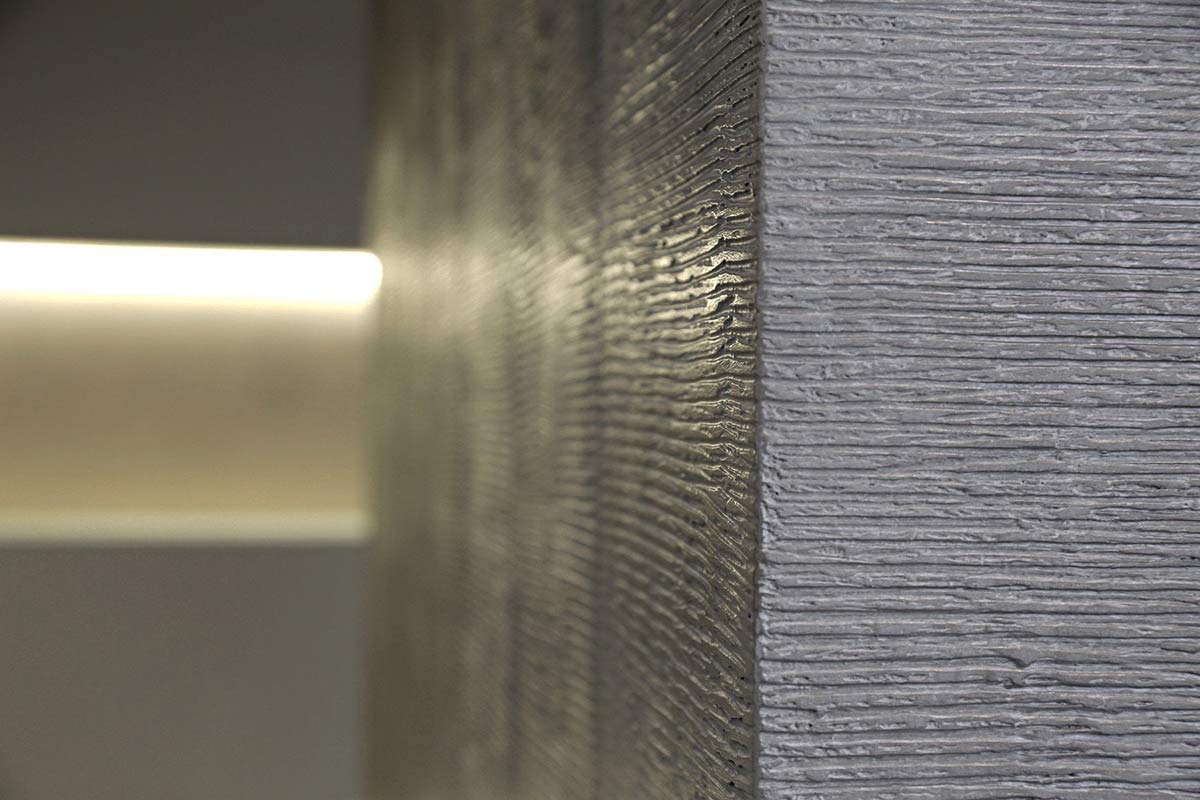
Textured StoneA raised, combed surface that throws a real shadow across a flat room.
Explore
V.
Textured StoneA raised, combed surface that throws a real shadow across a flat room.
 Explore
VI.
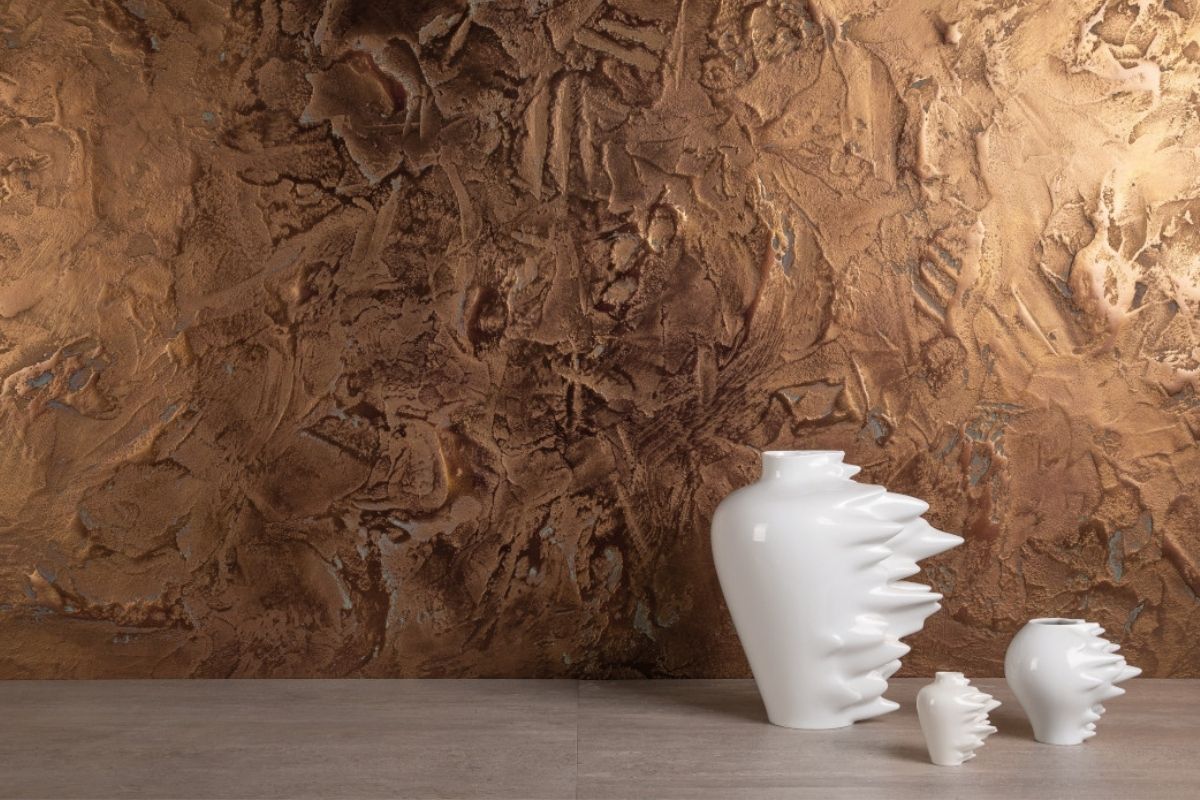
Rustic LimeAn aged, worked finish with the depth of an old Italian wall — made new.
Explore
VI.
Rustic LimeAn aged, worked finish with the depth of an old Italian wall — made new.
 Explore
VII.
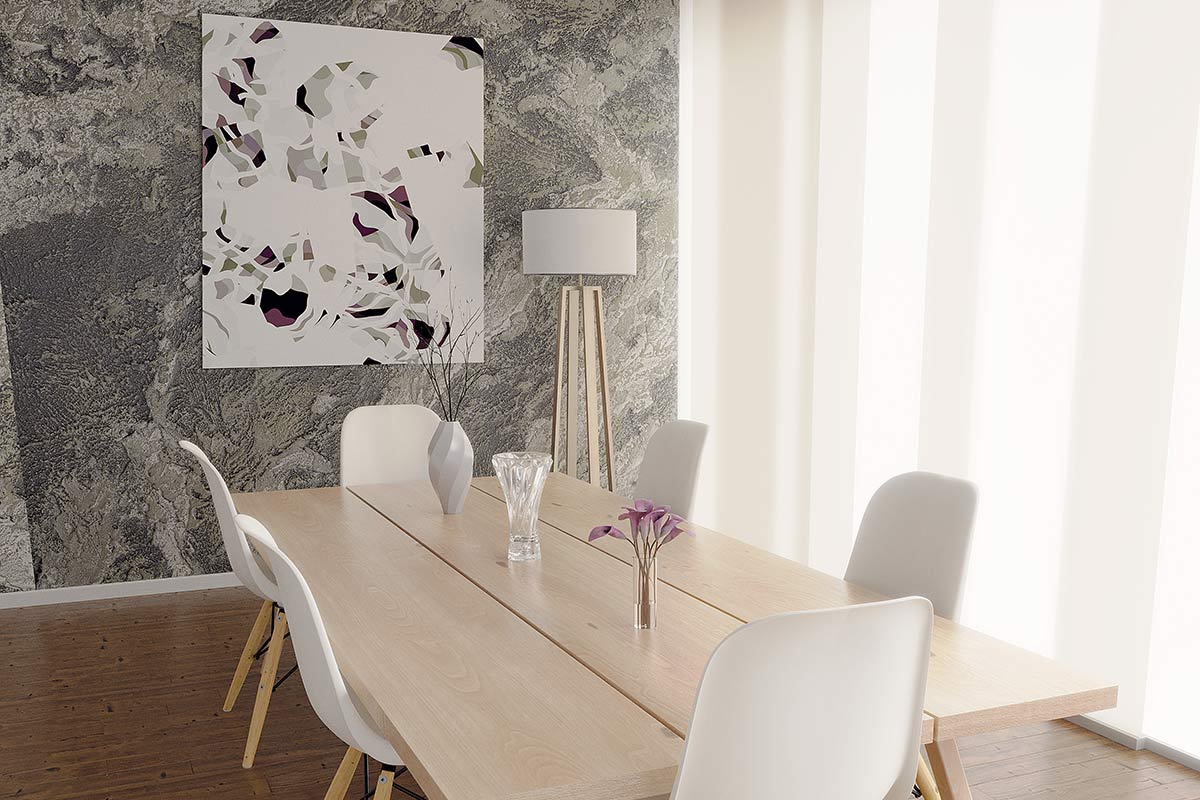
Fine TextureA close, quiet grain. The wall you notice on the second look, not the first.
Explore
VII.
Fine TextureA close, quiet grain. The wall you notice on the second look, not the first.
 Explore
VIII.
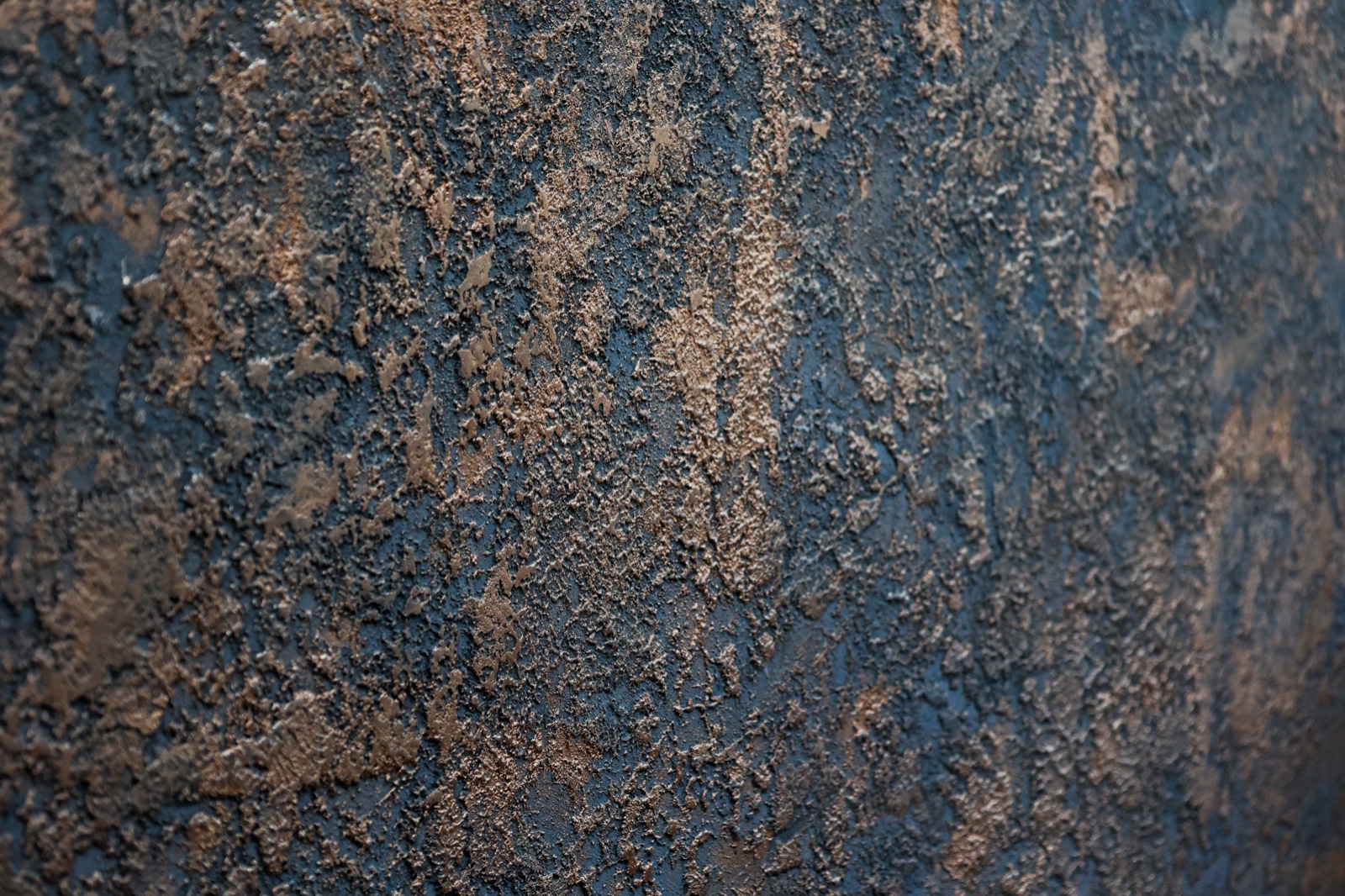
MicrocementSeamless and waterproof, laid without a single joint across walls and floors.
Explore
VIII.
MicrocementSeamless and waterproof, laid without a single joint across walls and floors.
 Explore
Plaster against everything else you could put on that wall.
Including the row where plaster loses. If you are spending this kind of money you should know what you are giving up as well as what you are getting.
| Hand‑laid plaster | Painted plasterboard | Wallpaper | Stone slab | |
|---|---|---|---|---|
| Joins | None. One continuous surface, wall to wall. | None, but patch repairs flash under light. | A visible seam at every drop. | A visible joint between every slab. |
| Depth | Light travels into the surface and back out. | Flat. It reflects light rather than holding it. | Printed depth. It does not change as you move. | Real depth, and real weight to go with it. |
| Build | 0.5 to 3 mm. Sockets and skirtings stay put. | Effectively none. | About 1 mm. | 20 mm plus, and it needs supporting. |
| Curves | Follows any shape, including returns and reveals. | Follows any shape. | Fights curves and lifts on tight radii. | Cut and mitred to size. Curves are expensive. |
| Damage | Reworked in place and blended in. | Repaint the whole wall to avoid a patch. | Replace the drop, and hope the batch matches. | Replace the slab, and hope the stone matches. |
| Wet areas | Microcement is sealed and fully waterproof. | Not a long‑term answer in a wet room. | Lifts at the edges. | Fine, though the joints need sealing and resealing. |
| Lifespan | Decades. Lime keeps hardening as it ages. | Five to ten years before it wants redoing. | Seven to ten years. | Very long, if nothing chips it. |
| The catch | Costs more up front and needs a skilled hand. There is no cheap version of it. | Cheapest by a distance, and it looks it. | Fast and inexpensive. | Often cheaper per square metre on big flat runs. |
Scroll the table sideways on a phone. Figures are typical for interior work and vary with the substrate, the room and the system specified.
How to tell good Venetian plaster from bad.
Five things worth checking on anyone’s work, including ours.
- I — Joins
- Stand at an angle to the wall with a light behind you. A good wall has no visible stop line where someone took a break.
- II — Edges
- Look at the corners, the ceiling line and around sockets. Sharp, straight and consistent, or thick and rounded where it was rushed.
- III — Movement
- Walk past it. The surface should change as your angle changes. If it looks identical from every position, it is textured paint.
- IV — Feel
- Run a hand across it. Polished plaster is cool, close and almost slick. Gritty means it was not burnished properly.
- V — Sample
- Ask for a bespoke sample in your colour, in your room. Anyone unwilling to make one is telling you something.
From first visit to final certificate.
Visit and fixed quote
We come out, look at the actual wall, and give you a written price that does not move. Free, and no sales visit dressed up as a survey.
A sample in your own room
Made in your finish and your colour, left with you in your light for as long as you need. £100 for the board, charged separately from the job.
One team, one surface
The same hands from first coat to burnish, worked in continuous passes so there is no join. Care sheet and certificate of completion on handover.
What clients say when it dries.
We had our living room feature wall done by Finest Plastering and I’m honestly blown away by the result.Harry PaulLiving room feature wall · Google review
Their craftsmanship is truly exceptional, bringing a beautiful, sophisticated touch to my living room.Bushra BegumResidential, Birmingham · Google review
A Venetian plaster finish on my media wall, and I was truly impressed by the attention to detail.Ikram AliMedia wall · Google review
Asked often. Answered honestly.
Is Venetian plaster the same as polished plaster?
Will it crack?
Can it be any colour?
How long will it last?
See it, feel it, then decide.
Book a free consultation and we will bring finished sample boards to your room, in your light, with no obligation to go further.